
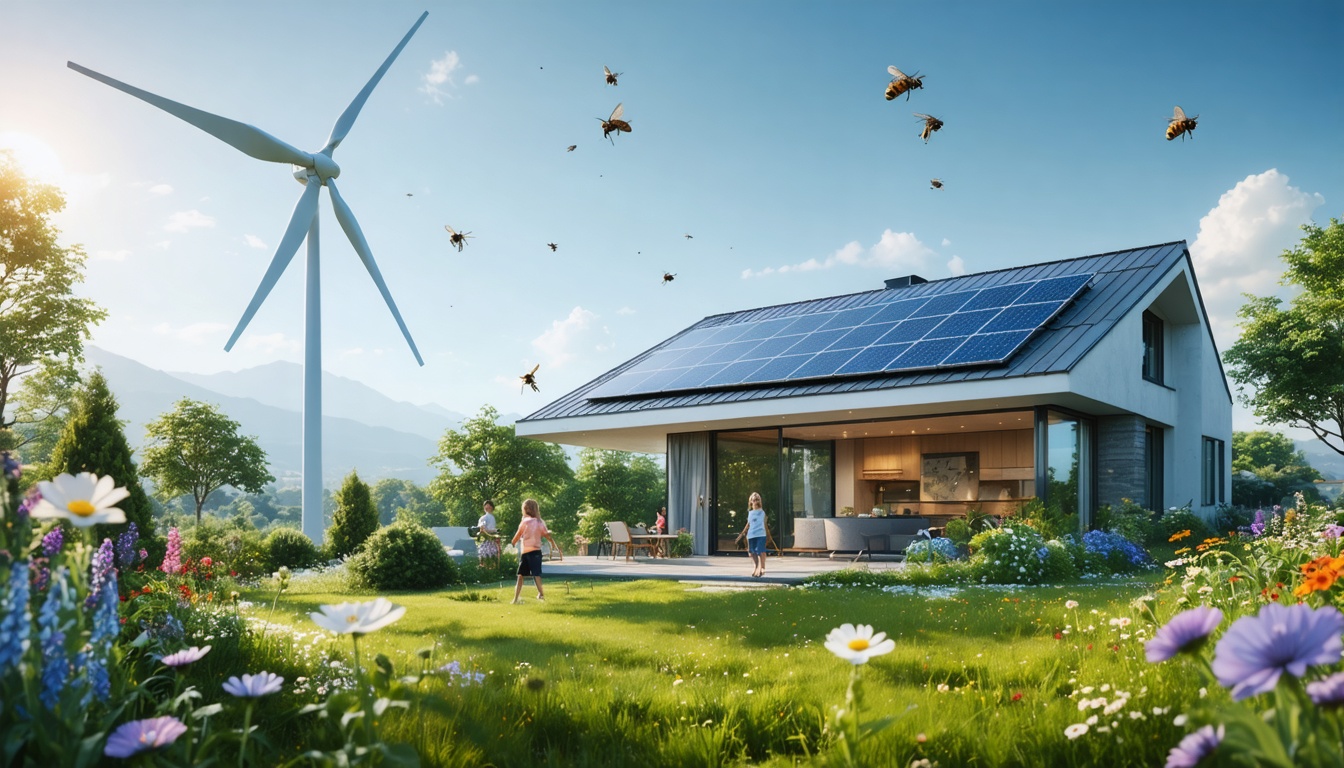
When opting for renewable energy in your home, you not only reduce your electricity expenses but also contribute positively to the environment. Utilizing solar or wind energy significantly decreases greenhouse gas emissions, which can lead to improved air quality. Furthermore, the adoption of renewable energy sources plays a role in sustaining local ecosystems by minimizing the impact associated with fossil fuel extraction and consumption. Transitioning to renewable energy also enhances energy independence, allowing households to rely less on non-renewable energy sources that are subject to market fluctuations and geopolitical issues. This shift can bolster the resilience of local communities by diversifying energy sources and reducing vulnerability to energy supply disruptions. Additionally, the widespread adoption of renewable energy can create a positive feedback loop, encouraging more individuals and businesses to invest in similar technologies. This collective movement can lead to greater economies of scale, further decreasing costs and making renewable energy more accessible. In summary, the decision to use renewable energy at home has multiple layers of impact, including environmental benefits, energy security, and community resilience, that extend beyond the immediate advantages for individual households.
The transition to renewable energy in residential settings involves several key sources, which utilize various natural resources. Renewable energy options include solar energy, harnessed through solar panels that convert sunlight into electricity, with Solar Battery Storage in West Palm Beach emerging as a popular solution for homeowners; wind energy, produced by wind turbines that capture kinetic energy from the wind; hydropower, which relies on flowing water to generate electricity; biomass, derived from organic materials; and geothermal energy, which utilizes heat from the Earth's interior.
These energy alternatives are essential to the United States' goal of achieving Net Zero emissions and reducing greenhouse gas emissions.
The adoption of heat pumps and wind energy plays a significant role in electricity generation with low emissions of greenhouse gases and carbon dioxide. The collective efforts of individual households and urban communities in implementing these technologies can contribute to economic growth, job creation, and a reduction in carbon and air pollution.
Improved air quality may result from these initiatives, alongside strengthening supply chain resilience.
A comprehensive understanding of renewable energy sources and their effects is crucial for stakeholders in policy-making, environmental planning, and community development as they navigate the transition to a more sustainable energy future.
The continued reliance on fossil fuels for residential energy is a longstanding issue with notable environmental impacts. Transitioning to renewable energy sources—such as solar panels, heat pumps, wind turbines, and biomass—can lead to a significant reduction in residential carbon dioxide emissions, potentially reaching a decrease of nearly 80%. These renewable energy systems typically produce little to no greenhouse gases during electricity and heat generation.
This shift to renewable energy is relevant in both urban and rural areas, contributing efforts toward achieving Net Zero emissions. In the United States and various other nations, it is identified as a key strategy for reducing per capita emissions, promoting job creation in the renewable sector, and fostering a sustainable economy.
Additionally, transitioning to renewable energy is critical in addressing the broader challenges associated with climate change, including its myriad ecological and societal effects.
Overall, the transition to renewable energy sources presents a scientifically supported approach to mitigating greenhouse gas emissions and facilitating a sustainable future.
Choosing renewable energy sources for residential use can improve air and water quality in local communities. Electricity generated from solar panels, wind turbines, and heat pumps produces fewer greenhouse gas emissions and lower carbon dioxide levels compared to conventional fossil fuel power plants.
This transition to renewable energy has been associated with reductions in air pollution, which contributes to approximately seven million premature deaths annually worldwide and incurs economic losses in the trillions of dollars.
The implementation of sustainable home solutions, along with the use of electric vehicles, directly impacts environmental quality. Cleaner electricity and heating methods tend to result in lower water consumption and reduced pollution, which can support the conservation of natural resources.
This transition is indicative of an effort to improve local air quality, as well as contributing positively to public health and environmental sustainability on both urban and national scales.
The transition to renewable energy sources is contributing to a decreasing reliance on fossil fuels. Households that invest in technologies such as solar panels, heat pumps, and wind turbines are helping to create a cleaner energy grid, which is aligned with objectives aimed at achieving Net Zero emissions and lowering overall carbon footprints. This trend is observable in urban areas across the United States, where a reduction in fossil fuel use can lead to decreased air pollution and mitigation of climate change effects, as well as a reduction in carbon dioxide emissions.
Renewable energy sources typically produce minimal to no greenhouse gases, presenting a clear advantage when compared to fossil fuel combustion. The adoption of sustainable energy technologies also has potential economic implications, including job creation within the green sector.
In addition, households may benefit from various tax credits and financial incentives that promote renewable energy installations, which can lead to reductions in their energy expenditures.
In summary, the movement toward renewable energy supports environmental goals while also presenting economic opportunities and potentially alleviating household financial pressures associated with energy consumption.
The transition from fossil fuels to renewable energy sources offers several benefits for local biodiversity conservation. By implementing cleaner energy solutions, communities can reduce greenhouse gas emissions, air pollutants, and the depletion of natural resources. Renewable energy technologies, such as wind turbines, solar panels, and heat pumps, produce electricity with minimal to no emissions, thereby supporting more sustainable practices.
In addition to environmental advantages, the integration of renewable energy has significant economic implications. It has the potential to create employment opportunities across the supply chain, thereby bolstering local economies.
Certain renewable technologies, particularly solar panels and agrivoltaics, can be designed to support local habitats. Moreover, the use of biomass energy and electric vehicles is associated with reductions in environmental pollutants.
These initiatives contribute to broader objectives, such as the pursuit of a net-zero economy in the United States. Transitioning to sustainable energy practices not only aims to mitigate environmental issues but also promotes the health of ecosystems and aids in the preservation of local biodiversity.
Utilizing renewable energy in residential settings plays a role in reducing a household's carbon footprint, which is an important consideration for climate change mitigation. The adoption of technologies such as solar panels, heat pumps, and wind turbines facilitates a transition away from reliance on fossil fuels. Renewable energy sources, including options for electricity and heating, typically result in lower or negligible greenhouse gas emissions compared to fossil fuel combustion. This reduction in carbon dioxide emissions can contribute to improved air quality in urban areas.
Furthermore, every step taken toward sustainability aligns with Net Zero targets established by the United States and other countries. Transitioning to cleaner energy supply chains not only advances environmental objectives but also has economic implications, such as the potential for job creation and the provision of financial resources for climate adaptation initiatives.
Renewable energy, sourced from natural resources, can also help diminish per capita air pollution, which has positive health implications for communities.
In summary, the transition to renewable energy is an important factor in both addressing environmental challenges related to climate change and pursuing economic strategies that promote sustainability.
Modest adjustments in home energy consumption can have a meaningful impact on environmental outcomes.
Transitioning to renewable energy sources—such as solar panels, wind turbines, and heat pumps—enables homeowners to generate electricity and heating from resources that produce minimal to no greenhouse gas emissions. This transition can lead to a reduction in carbon dioxide emissions and an enhancement in air quality, which are important for both environmental sustainability and public health.
Utilizing cleaner methods of electricity generation allows individuals to directly reduce the emissions associated with traditional power plants, which is significant in the context of addressing climate change.
The collective impact of these individual actions across various households and communities can be substantial. The adoption of renewable energy technologies often aligns with benefits such as job creation, conservation of natural resources, and reductions in air pollution.
In summary, the adoption of renewable energy reflects a commitment to environmental responsibility while also offering economic and public health advantages.
Each decision to implement such technologies can contribute to mitigating environmental degradation in a measurable way.
Centralized power grids have historically formed the backbone of national energy supply systems; however, decentralized renewable energy systems offer various advantages for enhancing energy security. The deployment of solar panels, heat pumps, and wind turbines at the residential level has the potential to reduce carbon emissions and lessen reliance on fossil fuel sources. Additionally, localized generation of electricity can lead to lower transmission losses, thus improving overall efficiency and contributing to better air quality.
Furthermore, decentralized energy systems enhance the resilience of the energy supply chain in both urban and rural settings. By generating electricity and heating from renewable sources, these systems align with the United States' objectives for transitioning to sustainable energy models. Such a transition may lead to the creation of job opportunities and supports efforts to achieve long-term reductions in greenhouse gas emissions, including carbon dioxide.
In summary, the adoption of decentralized renewable energy systems is a significant step towards strengthening energy security while fostering environmental sustainability. This approach allows for a more localized and diversified energy landscape, which can adapt to changing energy demands and mitigate the impacts of potential disruptions in the energy supply chain.
The transition to renewable energy sources in residential settings is a significant component of sustainable resource management and aligns with environmental and public health objectives.
The use of solar panels, wind turbines, or heat pumps for electricity generation and heating can reduce reliance on fossil fuel power plants, which may lead to a decrease in carbon dioxide emissions. Each household that adopts renewable energy solutions contributes to the overall reduction of carbon and greenhouse gas emissions, potentially improving air quality and decreasing pollution.
Moreover, renewable energy sources generally require far less water annually—up to three times less than fossil fuels—and produce little to no greenhouse gases.
This is increasingly pertinent for efforts directed at achieving Net Zero Climate Action, considering that minimizing greenhouse gas emissions is essential in tackling climate change. The adoption of renewable energy technologies not only has environmental advantages but also encourages a more sustainable approach to resource usage in residential contexts.
Transitioning from fossil fuels to renewable energy sources can lead to notable improvements in public health, primarily through enhanced air quality and environmental conditions. Implementing renewable energy solutions at the individual level, such as solar panels, heat pumps, or wind turbines, can encourage wider community adoption of clean fuel alternatives.
This shift is associated with a reduction in air pollution, which may subsequently lower the incidence of respiratory diseases and healthcare costs. Generating electricity with lower greenhouse gas emissions contributes to improved air quality and lessens the negative impacts associated with climate change.
In the United States, the adoption of sustainable energy practices not only promotes public health but also fosters job creation, strengthens economic resilience, and advances efforts to achieve Net Zero emissions targets. These relationships between renewable energy adoption, public health improvements, and economic stability highlight the comprehensive benefits of moving toward a more sustainable energy framework.
Choosing renewable energy for your home can significantly contribute to environmental sustainability. A shift toward renewable energy sources, such as solar, wind, and hydro, helps reduce greenhouse gas emissions, which are a major contributor to climate change. Utilizing renewable energy sources improves local air quality by minimizing the reliance on fossil fuels that release pollutants into the atmosphere. Moreover, the use of clean energy can lead to better water quality, as it lessens the risk of contamination from fossil fuel extraction and combustion processes. Furthermore, adopting renewable energy technologies can enhance energy independence by reducing dependence on imported fuels. This shift not only supports local economies but can also contribute to a more resilient energy infrastructure. The emphasis on sustainable resource use is crucial for maintaining biodiversity, as it reduces habitat destruction often associated with fossil fuel extraction and environmental degradation. Transitioning to renewable energy can also mitigate the impacts of climate change, potentially slowing adverse effects on ecosystems and human societies. In summary, the decision to utilize renewable energy in residential settings has measurable benefits for air and water quality, energy independence, and biodiversity, with long-term implications for environmental health and climate stability.